

Fresh-looking skin. A glow that feels like you. A little curiosity about what comes next. At Oasis Beauty, we love exploring the science behind regenerative care and how it connects with your beauty and wellness goals.
Exosomes, stem cells and PDRN are three different parts of that conversation. From research into cell-to-cell communication to topical skin-care enhancements, each brings its own story. Let’s make it interesting, personal and easy to understand.
Exosomes are tiny particles that cells release to carry messages to other cells. That natural communication system has made them an exciting focus of regenerative research.
Early human skin studies have reported improvements in hydration, texture, elasticity and the appearance of fine lines with certain topical exosome formulations. The studies are small and products differ, so these are promising findings rather than a guarantee for every serum or treatment.
Scientists are also studying exosomes in bone, cartilage and joint biology, including how cell signals interact with inflammation and repair. This is an active area of research; internal exosome use for joint discomfort or whole-body wellness remains investigational, not an established way to rebuild joints or renew the body.
Stem cells are living cells with the ability to make more cells and, depending on their type, develop into specialized cells. Their role in the body’s natural maintenance and repair is one reason regenerative science is so fascinating.
Research explores how particular stem-cell approaches might support damaged tissues, including cartilage and bone. That potential is different from a proven benefit of a commercially marketed treatment, and it does not mean a procedure can regrow cartilage or reverse aging.
Exosomes are not stem cells, and PDRN is neither. Keeping those differences clear helps us have a more useful conversation about your interests and goals.
PDRN stands for polydeoxyribonucleotide: purified DNA fragments used in some skin-care formulations, often sourced from salmon or trout. It is not a live-cell treatment and does not change your DNA.
Small clinical studies of PDRN and related polynucleotides have reported improvements in wrinkle appearance and skin quality. Those findings are encouraging, but results depend on the formulation and how it is used; studies of injections or wound care do not establish the same benefit for a topical facial product.
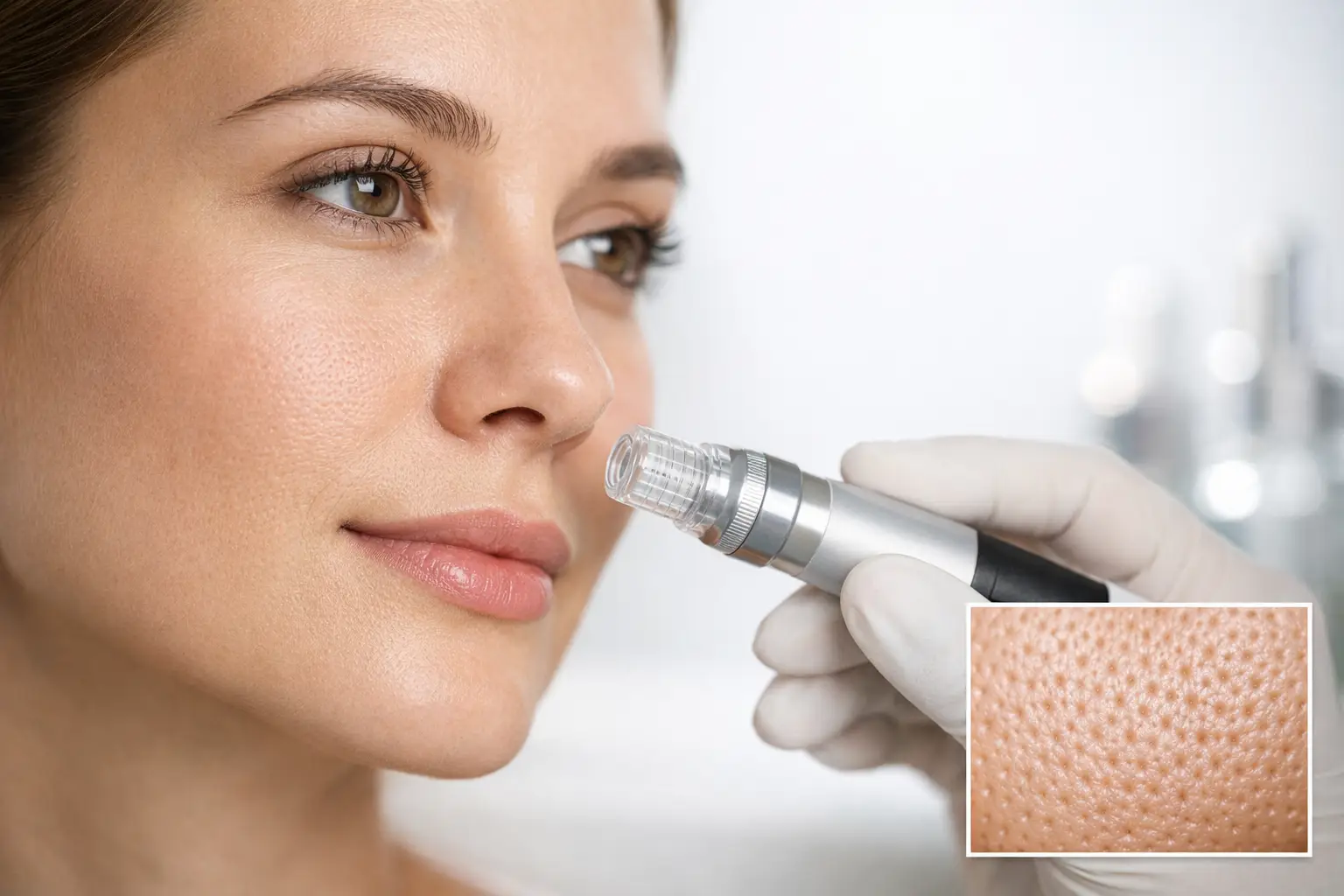
At Oasis Beauty, topical PDRN can be part of the conversation when planning microneedling or CO2 Fractionated Laser care. The exact product, your skin’s condition and the timing of application determine whether it fits your plan. Products used on freshly treated skin need to be appropriate for that use.
Bring us your wish list—smoother-looking texture, a refreshed appearance or a more personalized skin-care routine. We’ll help you explore a plan that feels like you. Results vary by person and treatment.
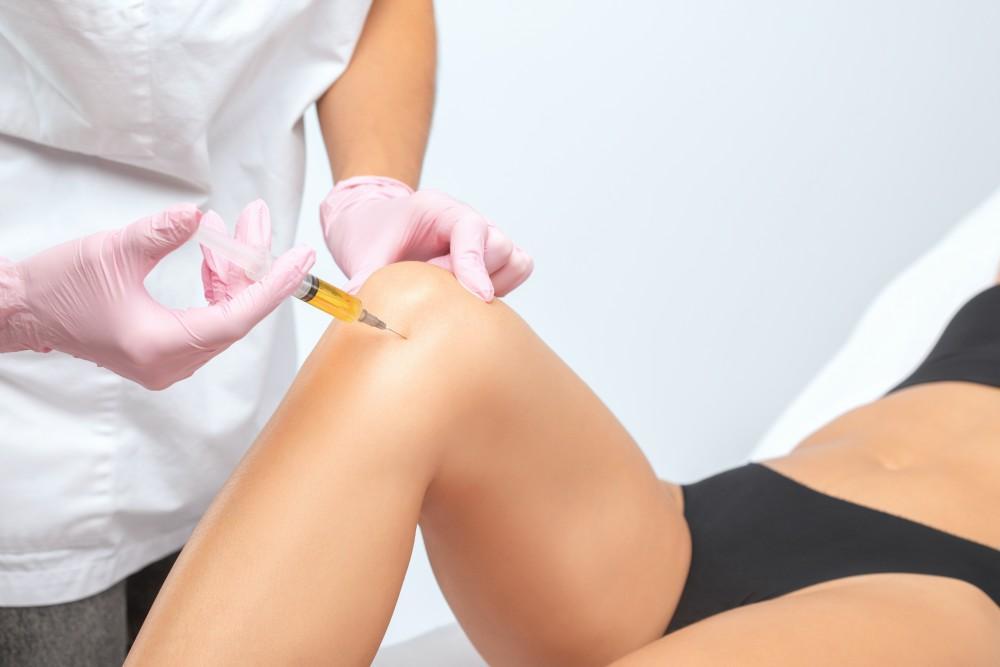
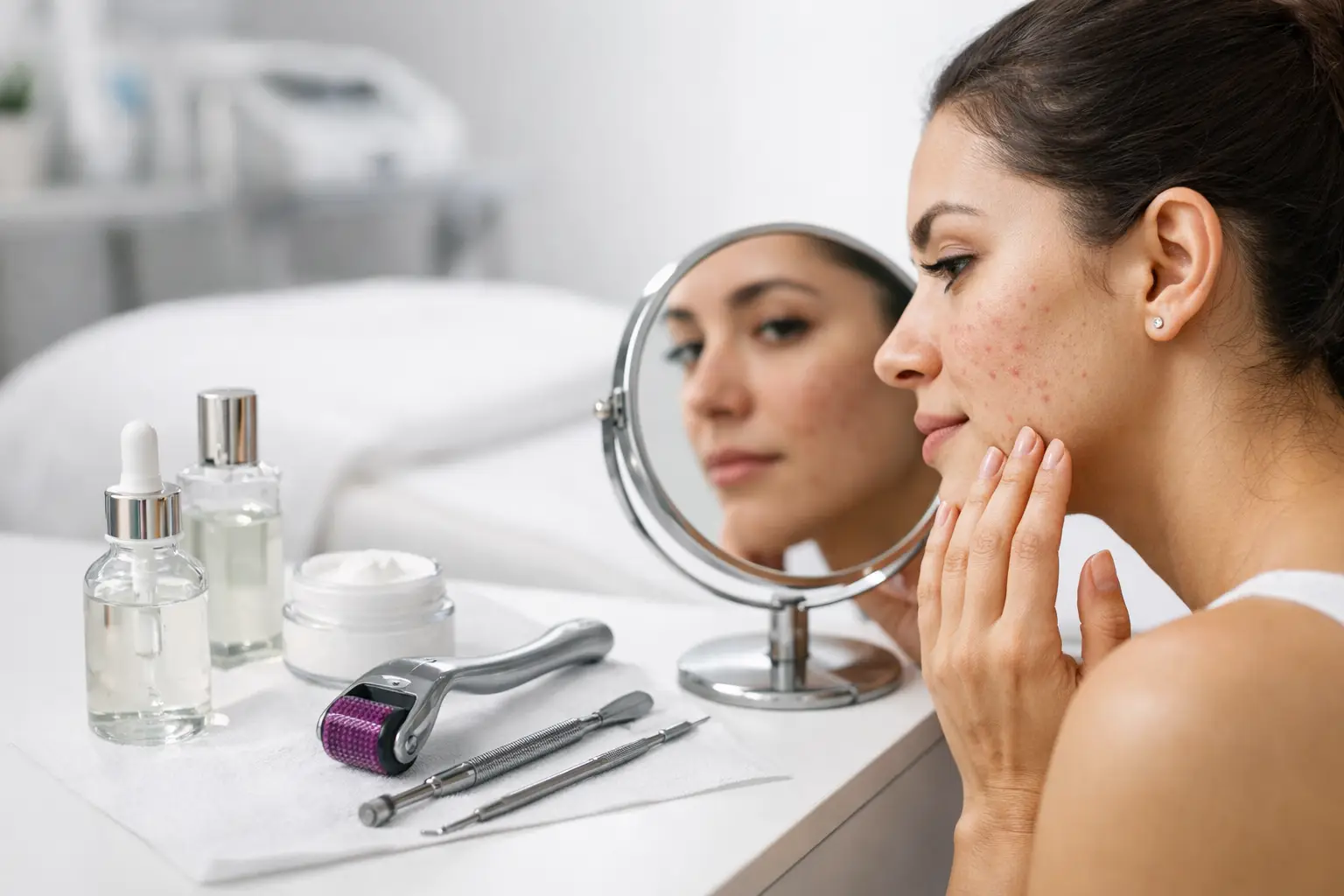

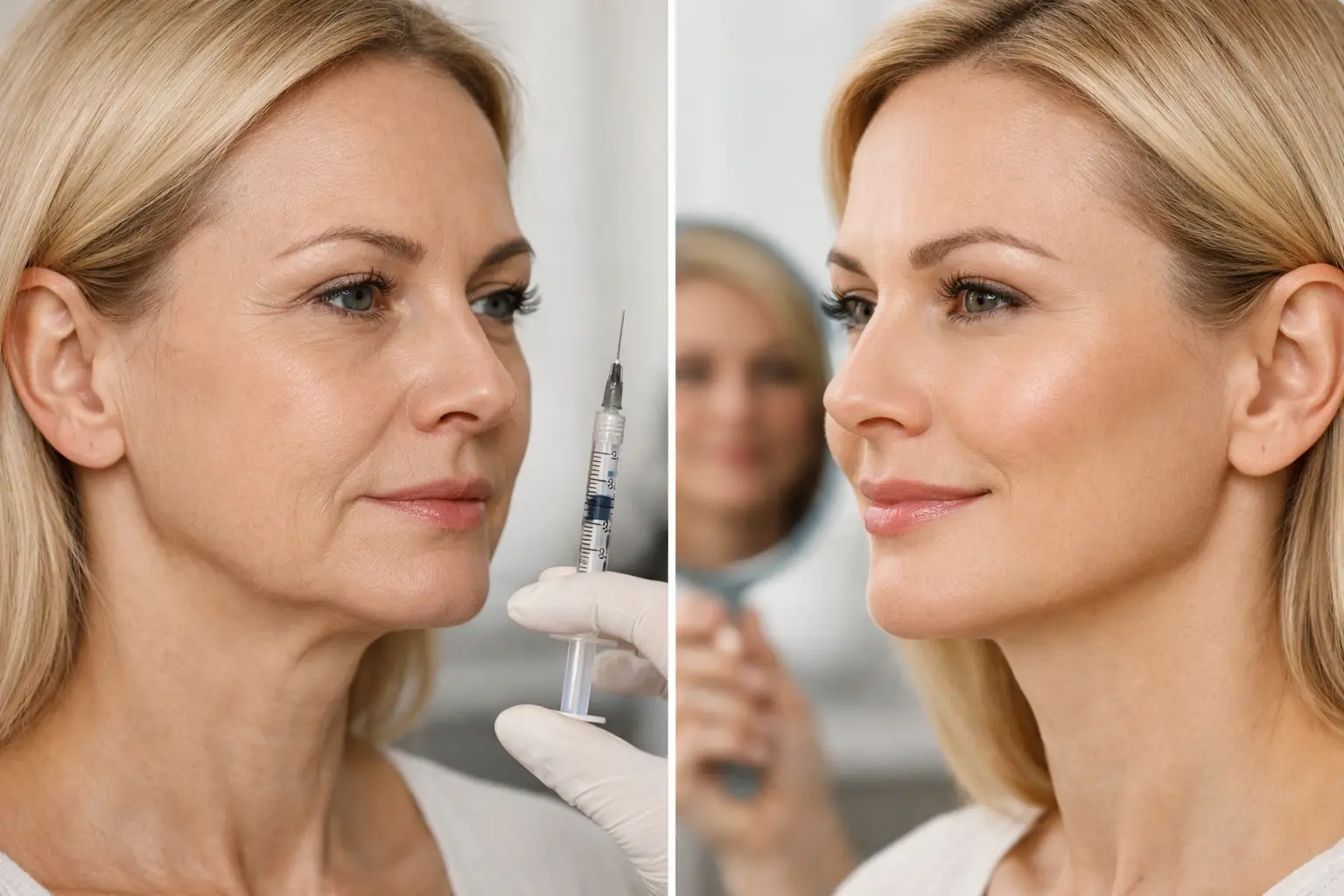
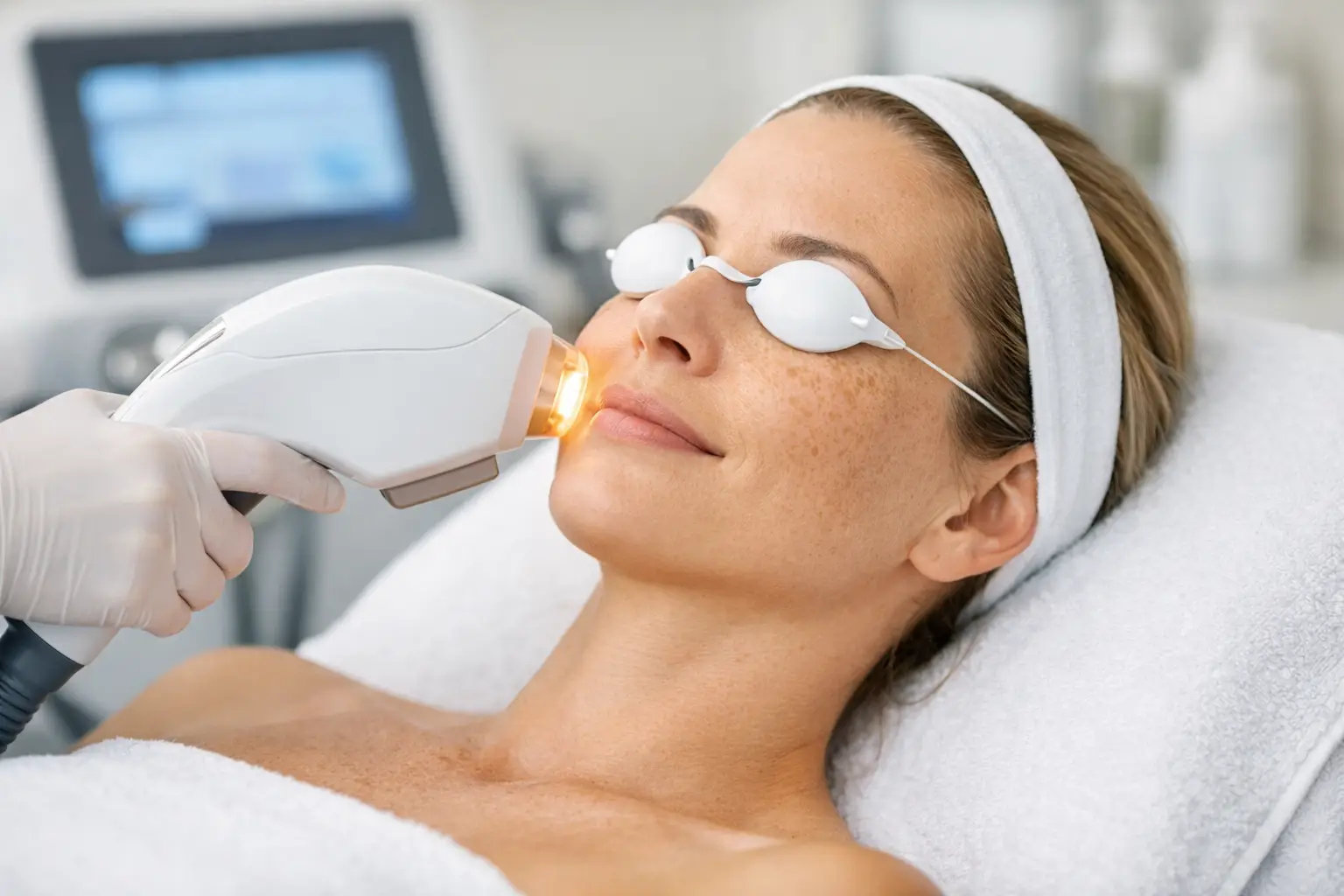
See real examples of the beauty, skin, and body-focused care offered at Oasis Beauty Medical Aesthetics. Our gallery helps you explore treatment possibilities and understand how personalized aesthetic care can support visible, confidence-building improvements.
Oasis Beauty Medical Aesthetics is where thoughtful care meets real beauty and wellness goals. Tell us what you would like to improve, and our team will help you schedule the right treatment or consultation for your needs.