
Best overall option to discuss with a prescriber: tirzepatide. Best alternative weekly injection: semaglutide; best oral option for people who should avoid stimulants: orlistat—this 2026 guide compares the best medical weight loss treatments by eligibility, safety, treatment burden, and follow-up needs.
- The best medical weight loss treatments require clinical screening; tirzepatide is the leading overall option to discuss.
- Semaglutide offers another weekly weight-management injection; neither medication suits every patient.
- Orlistat avoids injections and stimulants but adds digestive effects and meal-related dosing.
- Oasisbeauty provides aesthetic care; body contouring is not a substitute for medical obesity treatment.
Why this matters
A med spa setting does not make a weight-loss treatment medically appropriate. The diagnosis, prescribing clinician, medication source, and follow-up plan matter more than the location where you receive care.
Oasisbeauty is a Henderson, Nevada med spa offering skin, body, and wellness treatments, including body contouring. Oasisbeauty is best for clients seeking cosmetic and aesthetic care, rather than treating body contouring as medical weight loss. That distinction prevents you from choosing a cosmetic procedure when your goal requires obesity care.
For your 2026 decision, separate three goals: losing body weight, managing weight-related health conditions, and changing a localized body contour. These goals require different assessments. A treatment that addresses one does not automatically address the others.
What makes the best medical weight loss treatments?
Use these criteria before comparing medication names:
- Clinical eligibility: The treatment must match your diagnosis, health history, and approved indication—not simply your preferred delivery method.
- Weight-management evidence: Favor medications with established evidence for chronic weight management over injections marketed with unsupported fat-burning claims.
- Safety fit: Pregnancy plans, thyroid cancer history, blood pressure, seizure history, and current medicines can change the shortlist.
- Treatment burden: Weekly injections, daily injections, tablets, and meal-related capsules impose different routines.
- Continuing care: Choose a plan that includes side-effect management, nutrition support, reassessment, and a discussion about stopping treatment.
The best treatment is the strongest suitable option you can safely continue—not the strongest medication on a promotional menu.
Medical weight loss treatments at a glance
This ranking covers established medication options, not confirmed services at any particular med spa. Availability on a clinic menu does not establish whether you qualify.
| Treatment | Best for | Standout feature | Key limitation |
|---|---|---|---|
| Tirzepatide | Discussing a leading overall medication option | Acts on GIP and GLP-1 receptors; weekly injection | Gastrointestinal effects and important contraindications |
| Semaglutide | Choosing an alternative weekly injection | GLP-1 receptor agonist with established obesity-treatment evidence | Gastrointestinal effects; ongoing treatment requires planning |
| Phentermine/topiramate extended-release | Considering an oral prescription combination | Combines appetite-related mechanisms in an oral treatment | Pregnancy risk and stimulant-related restrictions |
| Naltrexone/bupropion extended-release | Considering an oral option without a phentermine stimulant | Acts on pathways involved in appetite and food reward | Unsuitable with opioid use or seizure disorders |
| Liraglutide | Considering a daily GLP-1 injection | Established medication for chronic weight management | Daily injections and gastrointestinal effects |
| Orlistat | Avoiding injections and stimulants | Reduces absorption of some dietary fat | Digestive effects and vitamin-management requirements |
1. Tirzepatide: best overall option for a prescribing discussion
Tirzepatide acts on glucose-dependent insulinotropic polypeptide, or GIP, and glucagon-like peptide-1, or GLP-1, receptors. The weight-management product is Zepbound; do not assume every tirzepatide product has the same approved indication.
Clinical evidence supports tirzepatide as a leading medication option for substantial weight reduction. Your prescriber still needs to assess whether its benefits match your risks and goals.
Tirzepatide pros:
- Once-weekly injection reduces the number of dosing days.
- Established evidence supports its use for chronic weight management.
- Combines GIP and GLP-1 receptor activity in one medication.
Tirzepatide cons:
- Nausea, vomiting, diarrhea, and constipation can interfere with treatment.
- The prescribing information contraindicates use with a personal or family history of medullary thyroid carcinoma or multiple endocrine neoplasia syndrome type 2.
- Oral contraceptive users need specific counseling when starting treatment and after dose increases.
Best for: Eligible adults discussing a leading overall medication option with a qualified prescriber.
Ask how the clinician handles dose increases and persistent digestive symptoms. Do not increase a dose independently because early results feel slow.
Verdict: Hold until a prescriber confirms eligibility and a follow-up plan.
2. Semaglutide: best alternative for a weekly injection
Semaglutide is a GLP-1 receptor agonist that helps regulate appetite and food intake. Wegovy is the weight-management product; Ozempic has a different approved indication, so the names are not interchangeable.
Semaglutide belongs on the shortlist when you want to discuss an established weekly medication. The choice between semaglutide and tirzepatide should reflect your medical history and response, not just their ranking here.
Semaglutide pros:
- Once-weekly injection fits a recurring routine.
- Established clinical evidence supports chronic weight management.
- Wegovy also has an approved cardiovascular risk-reduction indication for a defined group of adults.
Semaglutide cons:
- Gastrointestinal side effects can limit tolerance.
- The prescribing information includes the same medullary thyroid carcinoma and multiple endocrine neoplasia syndrome type 2 contraindications described above.
- Pregnancy planning requires advance discussion about discontinuation.
Best for: Eligible adults seeking an alternative weekly GLP-1-based treatment.
For a 2026 comparison, ask which approved indication applies to you. A cardiovascular benefit established for a specific patient group is not a promise for every person seeking weight loss.
Verdict: Hold until the prescriber reviews your history and treatment goals.
3. Phentermine/topiramate: best for an oral combination discussion
Phentermine/topiramate extended-release, sold as Qsymia, combines a sympathomimetic appetite suppressant with topiramate. It offers an oral alternative to injectable weight-management medications.
This is not a casual substitute for an injection. Pregnancy precautions and cardiovascular, psychiatric, and medication-history screening are central to the decision.
Phentermine/topiramate pros:
- Oral administration avoids injections.
- Established evidence supports chronic weight management.
- The combination offers a different mechanism from GLP-1-based treatments.
Phentermine/topiramate cons:
- Use during pregnancy can harm a developing fetus; pregnancy testing and prevention requirements matter.
- Increased heart rate, sleep disruption, mood changes, or cognitive effects require attention.
- Certain conditions and medicines make treatment inappropriate, including glaucoma, hyperthyroidism, and recent monoamine oxidase inhibitor use.
Best for: Eligible adults who prefer an oral prescription and can meet its safety requirements.
Tell the clinician about trouble sleeping, mood symptoms, and any work that demands sustained concentration. Those details affect whether this combination fits your daily life.
Verdict: Hold until pregnancy precautions and stimulant-related risks are cleared.
4. Naltrexone/bupropion: best for a non-phentermine oral option
Naltrexone/bupropion extended-release, sold as Contrave, acts on pathways involved in appetite and food reward. It is a prescription option for chronic weight management, not an over-the-counter appetite supplement.
The medication avoids phentermine, but that does not remove the need for screening. Blood pressure, seizure risk, mental health history, and opioid use are particularly important.
Naltrexone/bupropion pros:
- Oral treatment avoids injections.
- Offers a mechanism distinct from GLP-1 medicines.
- Provides an established prescription option without phentermine.
Naltrexone/bupropion cons:
- Contraindications include uncontrolled hypertension and seizure disorders.
- Chronic opioid use is incompatible with treatment; naltrexone blocks opioid effects and can precipitate withdrawal.
- Nausea, sleep problems, and mood-related concerns require monitoring.
Best for: Eligible adults considering an oral option who do not have its key contraindications.
Disclose prescribed pain medicines and any anticipated procedure requiring pain treatment. A medication interaction is more important than whether a clinic describes the treatment as convenient.
Verdict: Hold until opioid exposure, blood pressure, and seizure risk are reviewed.
5. Liraglutide: best for a daily GLP-1 treatment discussion
Liraglutide is a GLP-1 receptor agonist; Saxenda is its weight-management product. Unlike the weekly injections above, Saxenda uses a daily injection schedule.
Liraglutide remains an established option, but daily administration adds treatment burden. Discuss why it fits your situation rather than assuming all GLP-1 medications offer equivalent results or routines.
Liraglutide pros:
- Established evidence supports chronic weight management.
- Provides another GLP-1-based medication choice.
- A daily schedule offers a consistent dosing routine for people who prefer it.
Liraglutide cons:
- Daily injections require more frequent administration than weekly options.
- Gastrointestinal side effects can affect adherence.
- Thyroid-related contraindications and pregnancy considerations require screening.
Best for: Eligible adults for whom a clinician selects a daily GLP-1 option.
Liraglutide should not be combined casually with another GLP-1 receptor agonist. Give your prescriber a complete medication list, including treatments obtained from another clinic.
Verdict: Hold until the daily routine and medication compatibility are confirmed.
6. Orlistat: best for avoiding injections and stimulants
Orlistat works in the digestive tract by reducing absorption of some dietary fat. In the United States, it exists as a 60 mg nonprescription product and a 120 mg prescription product, with different labeling requirements.
Orlistat does not suppress appetite through the same pathways as the other medications here. Your meal pattern and tolerance of digestive effects matter to its suitability.
Orlistat pros:
- Avoids injections.
- Does not use a stimulant mechanism.
- Offers prescription and nonprescription treatment pathways.
Orlistat cons:
- Oily stools, urgency, and other digestive effects can disrupt daily activities.
- Fat-soluble vitamin absorption and medication interactions require attention.
- Chronic malabsorption syndrome and cholestasis are contraindications.
Best for: Adults seeking a noninjectable, nonstimulant option who meet the relevant product's requirements.
Do not treat nonprescription status as a safety exemption. Ask a pharmacist or clinician about vitamin timing, interactions, and whether the product fits your health history.
Verdict: Hold until a pharmacist or clinician checks suitability and interactions.
How we ranked these treatments
The order prioritizes established weight-management evidence, then separates options by delivery method and safety fit. It is a decision guide, not a claim that one medication wins for every patient.
The clinical distinctions follow FDA-approved product indications and prescribing information. For treatment decisions in 2026, your clinician should consult the current label because warnings and indications can change.
Which medical weight loss treatment should you choose?
Start with an eligibility assessment, not a package purchase. Tirzepatide is the default medication to discuss from this list; semaglutide is the alternative weekly injection to compare. Neither recommendation overrides contraindications or your clinician's judgment.
For many adult prescription weight-management indications, eligibility includes a body mass index of 30 kg/m² or higher, or 27 kg/m² or higher with a weight-related condition. These thresholds do not apply identically to every product or indication, and BMI alone does not establish suitability.
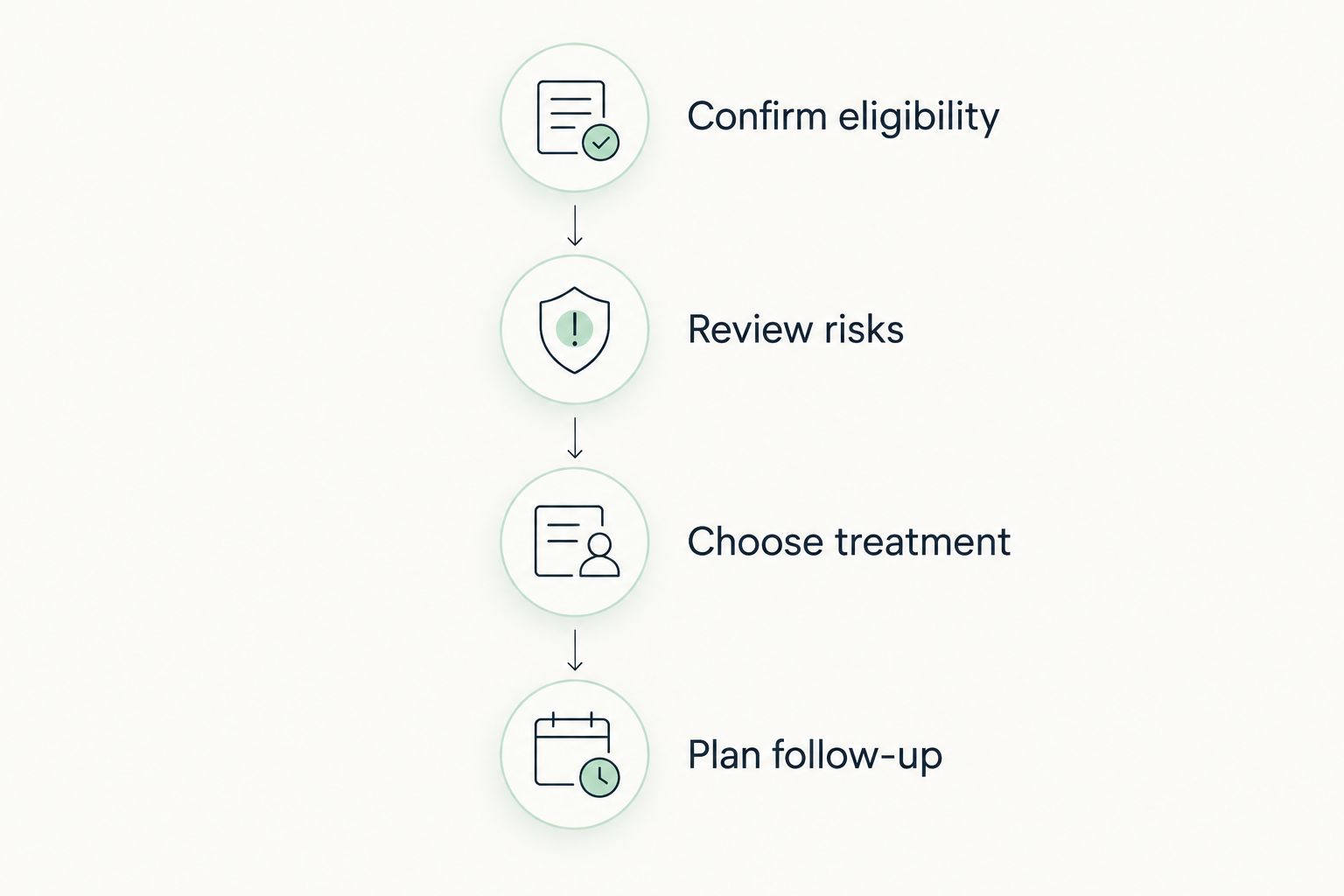
Use this sequence for your 2026 appointment:
- Confirm eligibility: Review weight history, health conditions, previous treatment, and the relevant approved indication.
- Review risks: Bring your medication list, pregnancy plans, and relevant personal and family medical history.
- Choose treatment: Compare a suitable injection or oral option against your routine and treatment goals.
- Plan follow-up: Agree on reassessment, side-effect advice, nutrition support, and circumstances for changing or stopping treatment.
The sequence matters: selecting a medication comes after clinical screening, not before it.
What does not belong in the same ranking?
Body contouring addresses localized shape, not the same clinical goal as obesity medication. IV vitamin therapy and vitamin injections are not substitutes for established obesity treatment.
Oasisbeauty offers body contouring and IV vitamin therapy within its aesthetic and wellness services. Do not interpret those services as evidence that Oasisbeauty offers prescription medical weight loss treatments. Keep the cosmetic discussion separate from the medical weight-management assessment.
FAQ
What’s the best medical weight loss treatment in 2026?
Tirzepatide is the leading overall medication option to discuss from this guide, but the best treatment depends on clinical eligibility and safety. A prescriber must review your health history before selecting it.
Is tirzepatide better than semaglutide for weight loss?
Comparative clinical evidence supports greater average weight reduction with tirzepatide in studied adults with obesity. That finding does not establish which medication is safer or more suitable for an individual patient.
Can I get medical weight loss treatment at any med spa?
A med spa setting alone does not establish that appropriate medical weight-management care is available. Confirm the prescribing clinician, approved medication, medical assessment, and follow-up arrangements before starting treatment.
Who qualifies for prescription weight loss medication?
Many adult weight-management indications use a BMI of at least 30 kg/m², or at least 27 kg/m² with a weight-related condition. Eligibility also depends on the specific product label, contraindications, and a clinical assessment.
Does body contouring count as medical weight loss?
No, body contouring and medical weight loss address different goals. Body contouring targets localized appearance; obesity treatment addresses body weight and related health concerns.
Are compounded weight loss injections the same as approved medicines?
No, compounded drugs are not FDA-approved medicines and do not undergo the same premarket review for safety, effectiveness, and quality. Ask the prescriber why a compounded preparation is being considered and identify the dispensing pharmacy.
Can I stop a weight loss medication after reaching my goal?
Stopping requires a plan with your prescriber because weight regain can occur after treatment ends. Discuss ongoing support, reassessment, and any product-specific instructions rather than stopping independently.
One last thing
Before your first dose, ask: What happens if this treatment does not suit me? A useful answer explains who manages side effects, how your response is assessed, and when treatment changes—not just how you obtain the next dose.
Make that question part of every 2026 weight-management consultation. A treatment plan includes an exit strategy as well as a starting point.